What to do when a fallen tree blocks your driveway after a storm
Clear the way safely after high winds or heavy rain
A fallen tree across your driveway can feel overwhelming. The car is trapped, the house may have damage, and the neighborhood is still dealing with the aftermath of the storm. Knowing what steps to take, and in what order, makes the situation manageable. The most important thing is to stay safe while you figure out the next move.
Start by taking a deep breath and looking at the situation from a distance. A tree that has come down during severe weather may have damaged power lines, gas lines, or the structure of your home. Do not walk up close to the tree until you have checked for hazards. Look for sagging or broken wires near the tree, a smell of gas, or any leaning branches that could fall further. If you see a downed power line, keep everyone away from it and call the electric company immediately. Treat every wire as if it is live.
Check for immediate dangers first
The most dangerous part of storm cleanup is the moment right after the tree falls. Branches can be under tension, the trunk may have split in a way that makes it unstable, and debris can hide sharp objects or electrical hazards. Before you do anything else, make sure no one is near the tree. If the tree has hit the house, check for roof impact that could have damaged the structure. Look for water leaking into rooms near the impact point. If you hear cracking or popping sounds, move everyone farther away.
If the tree has brought down a power line, do not try to move it yourself. Even if the line looks dead, it could become live again without warning. Call the utility company and tell them where the line is. They will send a crew to disconnect the power to that line before anyone can work on the tree. The same goes for a natural gas line. If you smell gas near the tree, leave the area and call the gas company from outside. Do not turn any lights or appliances on or off, and do not use a phone inside the house. A spark could ignite the gas.
Assess the tree itself
Once you have confirmed there are no electrical or gas hazards, you can look at the tree more closely. A fallen tree may have a split trunk, which means the wood has cracked in a way that makes it unpredictable. A split trunk can shift suddenly as you cut or lift, so do not try to move it by hand. Hanging limbs, branches that are still attached to the tree but are broken or dangling, are another danger. They can fall without warning if the main trunk shifts or if the wind picks up again.
If the tree is small and you are confident it is stable, you might be able to move branches out of the driveway by hand. But for most trees that come down in a storm, the weight and the way the wood is wedged against the ground or the house make it a job for professionals. A large tree can weigh several tons, and even a medium-sized limb can be too heavy to lift safely. Trying to move it yourself can cause injury or further damage to your property.
Call for professional help
This is where an emergency tree service comes in. Companies that specialize in storm response have the equipment and training to handle fallen trees quickly and safely. They can assess the tree, stabilize it, and remove it piece by piece without causing more damage. They also know how to work around power lines and other hazards. If you are in the Dallas, Georgia area, treeserviceindallas.com is a local option that provides emergency storm response along with tree removal, trimming, stump grinding, and debris cleanup for homeowners.
When you call, give them as much information as you can. Tell them where the tree is, how big it is, whether it has hit the house or a power line, and whether the driveway is completely blocked. They will prioritize jobs based on danger and need. If the tree is blocking your driveway and you cannot get your car out, that is an urgent situation for most homeowners, and a good service will respond as quickly as possible.
Wait safely while help is on the way
While you wait for the tree service to arrive, there are a few things you can do to stay safe and make the job easier. Keep children and pets away from the tree and the area around it. Do not let anyone climb on the tree or try to move branches. If the tree is leaning against the house, do not go into the room that is directly below the impact point. The roof or ceiling could be weakened and could collapse. If you have a chainsaw, do not use it on a tree that is under tension. A limb that is bent or wedged can snap back violently when cut, causing serious injury.
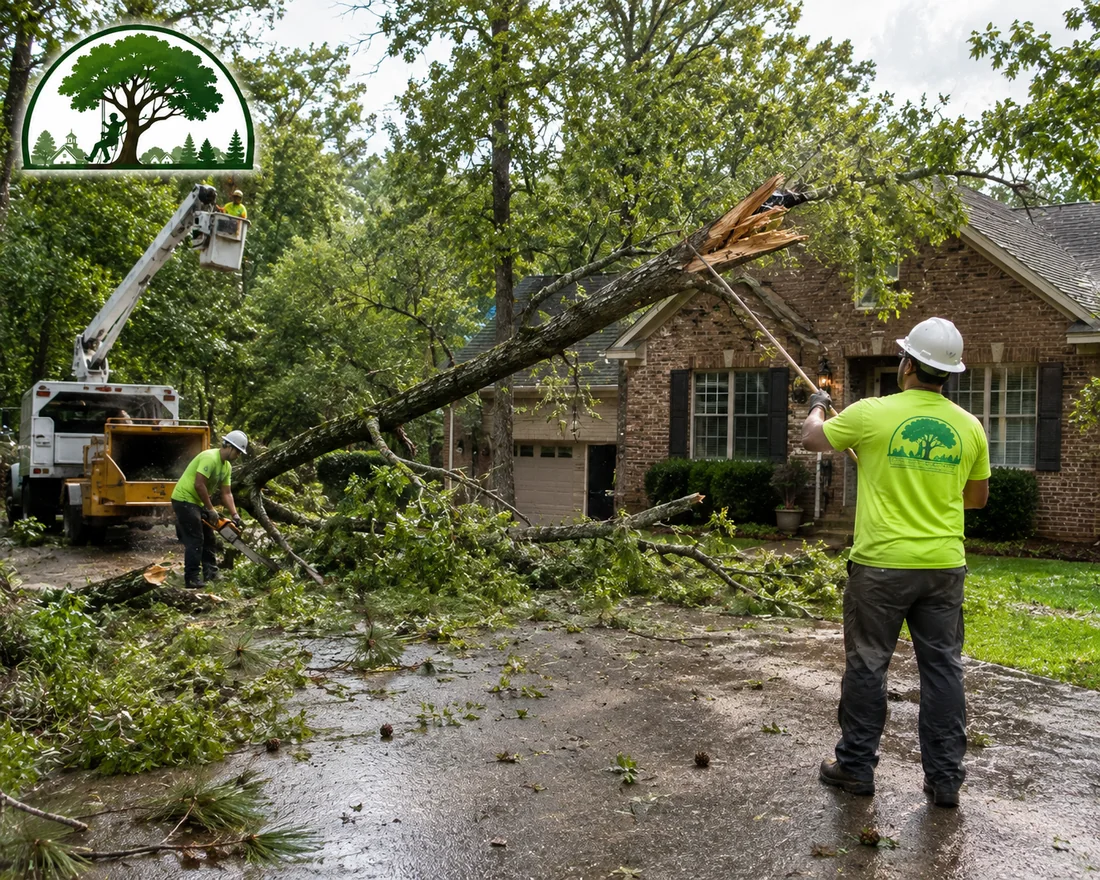
If the tree has damaged your house, take photos of the damage for insurance purposes. Do not start any repairs until the tree is removed and the area is safe. Your insurance company will want to see the damage before you fix it. If you have to move your car, make sure the tree service knows where it is so they do not accidentally hit it with equipment. If you cannot get the car out, let them know that too.
Site stabilization and cleanup
After the tree is removed, the ground where it was rooted may be disturbed. Large roots can tear up the soil and leave a hole or a mound. This is called site stabilization, and it matters because an unstable patch of ground can cause drainage problems or make it hard to mow or plant later. A good tree service will grind the stump and clean up the debris, but you may need to fill the hole with topsoil and seed it with grass. If the tree was near the driveway, check that the driveway surface is not cracked or lifted by the roots.
Debris cleanup is another part of the job that you may not think about right away. Storm-damaged trees leave behind branches, twigs, and leaves that can cover the yard and the driveway. If the tree was large, there may be a lot of wood to haul away. Most emergency tree services include debris removal in their quote, but you should ask. If you plan to keep some of the wood for firewood, tell them before they take it. They can cut it into manageable lengths and leave it for you. Just be aware that wood from a storm-damaged tree may be split or cracked, so it might not burn as well as wood from a healthy tree.
Preventing future problems
Once the immediate crisis is over, it is worth thinking about why the tree fell in the first place. High winds are the most common cause, but a tree that is diseased, dead, or has a weak root system is more likely to come down. If you have other large trees near your house or driveway, consider having them inspected by an arborist. They can tell you if a tree is at risk of falling and recommend trimming or removal before the next storm. Regular tree maintenance, like trimming dead or weak branches, can also reduce the chance of a limb breaking off and hitting the house or blocking the driveway.
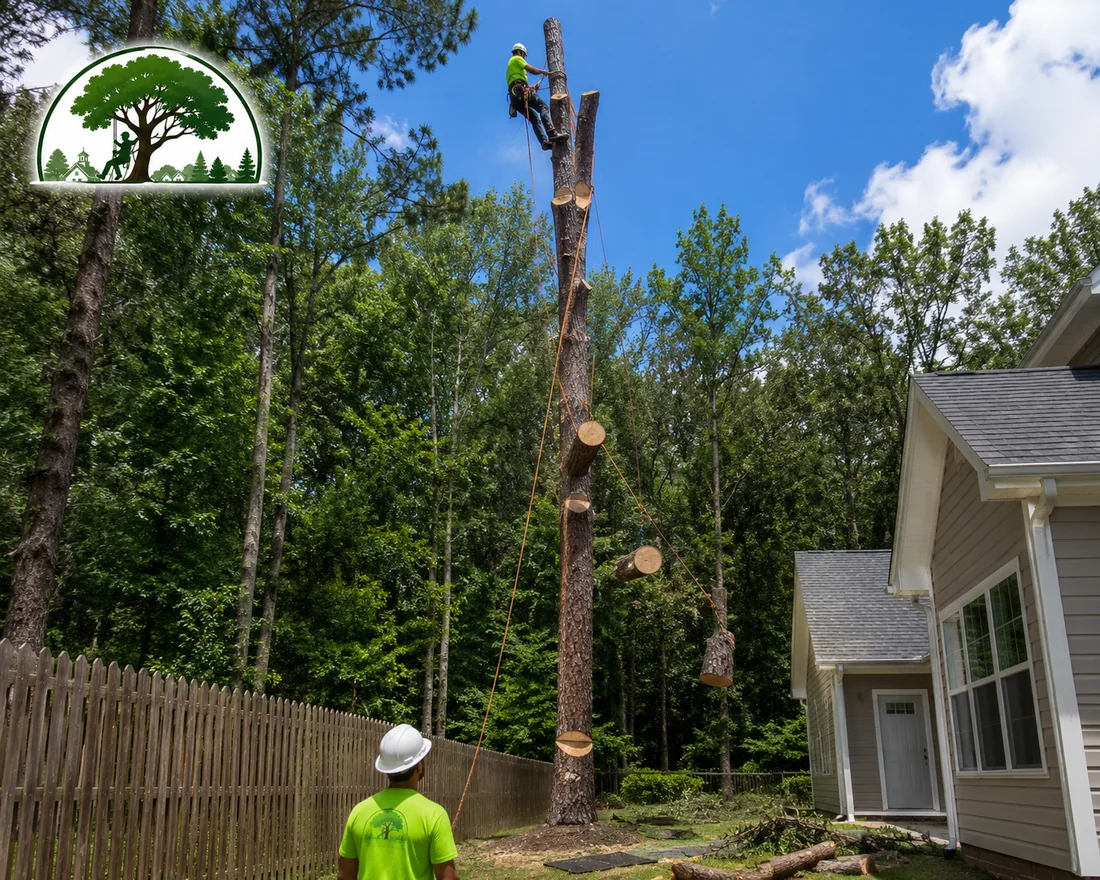
If you live in an area that gets severe weather often, it helps to have a plan. Know which tree service you will call in an emergency. Keep their number saved in your phone. If you are in the Dallas, Georgia area, treeserviceindallas.com is a resource you can rely on. Having a plan ahead of time means you will not be scrambling to find help while the rain is still falling.
Stay calm and work through the steps
A blocked driveway is frustrating, but it is a problem that can be solved. The key is to put safety first, get professional help when you need it, and take care of the cleanup properly so your property is safe and usable again. Storms are unpredictable, but how you respond makes all the difference. By following these steps, you can handle a fallen tree without putting yourself or your family at risk.